Early Season Elk Hunting: Spot-and-Stalk vs. Calling Tactics for September Success
September is one of the most exciting times to hunt elk. Bulls are vocal, the mountains are alive with activity, and every sunrise carries the possibility of hearing a bugle echo through the timber.
But one question comes up every season: Should you focus on calling or spot-and-stalk?
The truth is, both tactics can be incredibly effective. The key is understanding when to use each approach based on elk behavior, hunting pressure, terrain, and weather.
In this guide, we'll break down proven early season elk hunting tactics, compare spot and stalk elk strategies versus elk calling early season, and discuss the gear that helps you stay comfortable when covering miles in steep country.
Understanding September Elk Hunting
Early September is a period of constant change.
As the rut begins, bulls transition from summer feeding patterns into establishing harems and responding to competition. Some days they'll bugle aggressively. Other days they'll remain nearly silent.
Successful September elk hunting requires adapting to what the elk are doing—not forcing one tactic all week.
The hunters who consistently find success know when to call, when to move, and when to simply watch and wait.
Spot-and-Stalk Elk Hunting
Spot-and-stalk hunting is exactly what it sounds like.
Locate elk visually, develop an approach using terrain and wind, then close the distance for an ethical shot.
This tactic works especially well during:
- Warm early-season weather
- Hunts above timberline
- Open burns
- Alpine basins
- Large meadows
- Areas with limited bugling
One of the biggest advantages of spot and stalk elk hunting is that you're not relying on vocal elk. If you can see them, you have an opportunity.
When Spot-and-Stalk Works Best
Spot-and-stalk shines when:
- Bulls are feeding in open country
- Hunting pressure has reduced vocalization
- Wind remains consistent
- You can glass long distances
- Midday thermals allow careful movement
Because you're covering significant ground, lightweight clothing becomes critical.
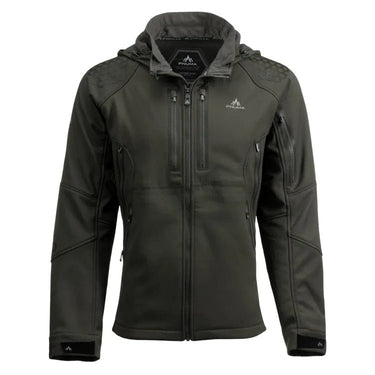
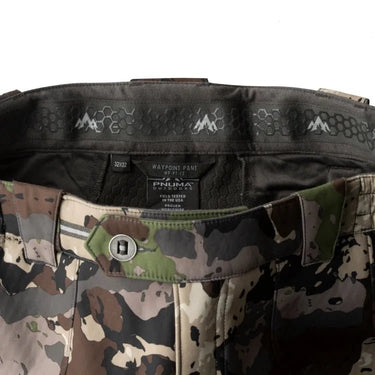
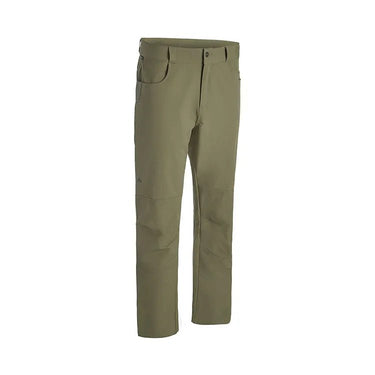
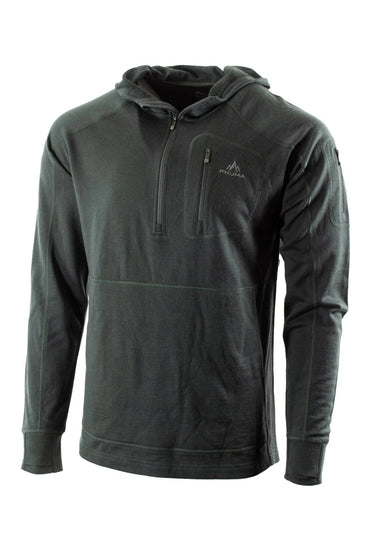
Pnuma's Early Season Big Game Hunting Collection is designed for these exact conditions, featuring breathable apparel that helps regulate temperature while climbing steep terrain and hiking mile after mile. Lightweight shirts, stretch hunting pants, and packable rain gear keep hunters mobile without sacrificing durability.
Keys to a Successful Stalk
Always remember:
Play the Wind
Your approach means nothing if your scent reaches the elk first.
Monitor thermals constantly, especially during morning and evening transitions.
Use Terrain
Ridges, draws, timber edges, and rock formations become your best cover.
Avoid skylining yourself whenever possible.
Stay Patient
Many stalks fail because hunters move too quickly once they're within shooting range.
Slow down.
Take advantage of every opportunity to let the elk make the next move.
Elk Calling Early Season
Few experiences compare to having a mature bull answer your bugle.
During the rut, elk calling early season can pull aggressive bulls into bow range—but only when used correctly.
Calling isn't simply making noise.
It's creating believable conversations that convince a bull another elk has entered his territory.
When Calling Is Most Effective
Calling often produces the best results when:
- Bulls are actively bugling
- Cows are grouped together
- Morning temperatures are cool
- Hunting pressure is moderate
- You locate herd bulls before daylight
If bulls are already talking, let them dictate the pace.
Sometimes less calling produces better results.
Common Calling Mistakes
Many hunters overcall.
Instead:
- Match the bull's intensity.
- Let silence create curiosity.
- Use cow calls naturally.
- Avoid bugling continuously while moving.
A patient sequence often sounds more realistic than constant calling.
Spot-and-Stalk vs. Calling: Which Is Better?
Neither tactic wins every day.
The best elk hunters combine both.
Start by locating elk through glassing or listening.
If bulls are vocal:
Call.
If they're silent but visible:
Stalk.
If they're moving toward bedding:
Get ahead of them.
If weather changes or pressure increases:
Adjust your strategy.
Successful early season elk hunting tactics are flexible.
Build Your Early Season Clothing System
September elk hunting is physically demanding.
You may begin the morning below freezing, hike several thousand vertical feet by noon, and encounter afternoon thunderstorms before returning to camp.
Your clothing system needs to adapt just as quickly.
The Pnuma Early Season Big Game Hunting Collection is built specifically for mountain hunters who demand lightweight performance without sacrificing durability.
Key pieces for September include:
- Lightweight performance hunting shirts
- Breathable stretch hunting pants
- Moisture-wicking base layers
- Packable rain jackets and rain pants
- Lightweight gloves
- Neck gaiters for changing weather
- Performance hats for all-day comfort
Each piece is designed to help regulate body temperature during strenuous climbs while remaining comfortable during long glassing sessions or extended calling setups.
Don't Overlook Footwear and Packs
Covering country is part of elk hunting.
Whether you're making repeated stalks or chasing bugles across mountain ridges, comfortable gear matters.
Before the season:
- Break in boots.
- Inspect pack straps.
- Replace worn trekking pole tips.
- Check hydration systems.
- Test rain gear.
- Verify your bino harness fits comfortably over your clothing layers.
Every ounce of discomfort becomes magnified after several days in elk country.
Prepare Your Gear Before Opening Day
The offseason is the perfect time to inspect every piece of hunting gear.
Look for:
- Loose stitching
- Broken zippers
- Worn waterproof coatings
- Damaged seams
- Failing buckles
If your hunting apparel needs attention before your next western adventure, Pnuma's Lifetime Warranty covers manufacturing defects in materials and workmanship, helping ensure your gear is ready when elk season arrives.
Final Thoughts
Success during September elk hunting comes from adapting to changing conditions.
Some mornings you'll chase screaming bulls with aggressive calling sequences. Other days you'll quietly glass distant ridges before making a careful spot and stalk elk approach.
The hunters who consistently find success aren't committed to one tactic—they're committed to reading elk behavior and making the right decision in the moment.
Pair those proven early season elk hunting tactics with lightweight, breathable apparel from the Pnuma Early Season Big Game Hunting Collection, and you'll be prepared for everything from steep alpine climbs to close-range encounters in dark timber.
When the bugles begin echoing across the mountains, you'll be ready to answer.